Scotch whisky, renowned for its rich and diverse flavor profiles, is a drink of exceptional heritage and craftsmanship. Originating from Scotland, this spirit has captivated enthusiasts with its intricate tastes, which are shaped by various factors such as the production process, region, and aging method. Understanding these elements can enhance appreciation and guide enthusiasts in exploring the full spectrum of flavors scotch whisky offers.
The Art of Crafting Scotch Whisky
The creation of scotch whisky is an art form that involves a meticulous process, balancing tradition with innovation. The flavors of scotch whisky are primarily influenced by:
- Ingredients: The primary ingredients include malted barley, water, and yeast. The quality and source of these ingredients significantly affect the final flavor.
- Distillation: The type of still used (pot stills for malt whisky and continuous stills for grain whisky) can contribute to the spirit’s complexity and depth.
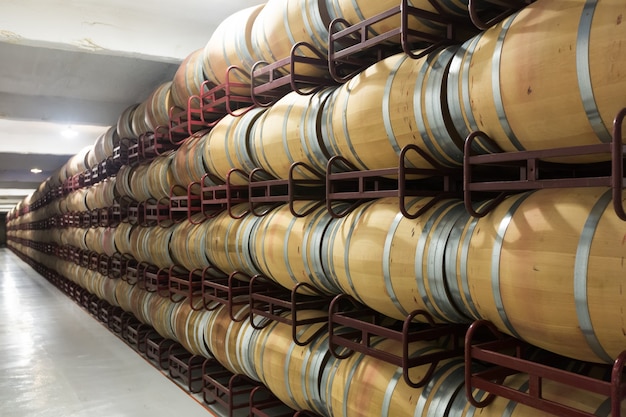
- Maturation: Aging in oak casks lends distinct characteristics. The type of cask, its previous contents, and the length of maturation all play crucial roles in defining the whisky’s taste.
Regional Influences on Flavor
Scotland is divided into five primary whisky-producing regions, each imparting unique flavor profiles influenced by local climate, geography, and production techniques.
Highland
Known for its vast and varied landscape, the Highland region produces a diverse range of flavors, from floral and fruity to rich and peaty. This diversity makes Highland whiskies an excellent choice for those seeking variety in their tasting experiences.
Speyside
Speyside whiskies are often characterized by their sweet and elegant flavors, typically exhibiting notes of apple, pear, honey, and vanilla. This region is home to many of the world”?s most famous distilleries, making it a popular choice for those new to scotch whisky.
Islay
Islay whiskies are renowned for their bold, peaty flavors. These whiskies often feature a smoky, maritime quality, influenced by the island’s coastal climate and traditional peat-fired kilns used in the malting process.
Lowland
The Lowland region is known for producing lighter, more delicate whiskies. These typically feature grassy, floral, and citrus notes, making them an excellent choice for those who prefer a subtle and refined flavor profile.
Campbeltown
Once a thriving whisky center, Campbeltown is now home to a small number of distilleries known for their robust and complex whiskies. These often feature a distinctive maritime character with hints of brine, smoke, and dried fruit.
Exploring the Flavor Profiles
Each scotch whisky offers a unique tasting experience, influenced by its specific production methods and regional characteristics. When exploring the flavors of scotch whisky, consider these key aspects:
- Aroma: The nose of the whisky provides the first hint of its flavor profile. Take note of the initial scents and how they evolve as the whisky opens up.
- Palate: The taste should be savored slowly, allowing the flavors to develop on the tongue. Look for complexity and balance between sweetness, bitterness, and acidity.
- Finish: The aftertaste can reveal additional layers and is an essential part of the tasting experience. A good finish should be smooth and lasting, leaving a pleasant impression.
The Journey of Discovering Scotch Whisky
Embarking on a journey to discover the rich and varied world of scotch whisky is an enthralling experience. Whether exploring the delicate floral notes of a Lowland whisky or the intense peaty flavors of Islay, each sip offers a glimpse into Scotland’s heritage and craftsmanship. By understanding the factors that influence the flavor profiles, enthusiasts can deepen their appreciation and enjoyment of this timeless spirit.